Rockery plants suited for dry soil offer a practical solution for enhancing outdoor living spaces. Their drought-resistant nature guarantees sustainability while maintaining aesthetic appeal. By selecting appropriate species, homeowners can cultivate vibrant gardens that require minimal maintenance.
This approach not only conserves water but also supports local biodiversity. Understanding the unique characteristics and benefits of these plants can transform barren areas into flourishing landscapes. What specific strategies can maximize their potential?
Key Takeaways
- Drought-tolerant rockery plants thrive in dry soil, ensuring vibrant landscapes even in arid conditions.
- Their unique foliage and blooms enhance the aesthetic appeal of outdoor living spaces.
- Grouping various heights and textures creates visually engaging and natural-looking gardens.
- Native rockery plants require minimal maintenance, promoting sustainability and conserving water.
- Thoughtful design with pathways and seating fosters community interaction and enjoyment of outdoor areas.
Challenges of Dry Soil and How to Overcome Them
Dry soil presents several challenges that can hinder plant growth and compromise the aesthetic appeal of outdoor spaces. Limited moisture availability often leads to stunted plant development, increased susceptibility to pests, and a lackluster appearance in gardens. To overcome these issues, selecting the best rockery plants for dry soil is essential.
These resilient species thrive in arid conditions, showcasing vibrant colors and textures that enhance visual interest. Additionally, proper soil preparation, including the use of organic matter and mulch, helps retain moisture and improve nutrient availability. By integrating these strategies, gardeners can create thriving outdoor environments that not only flourish despite dry conditions but also foster a sense of community and belonging among those who appreciate well-designed landscapes.
How to Design Beautiful Outdoor Spaces With Rockery Plants
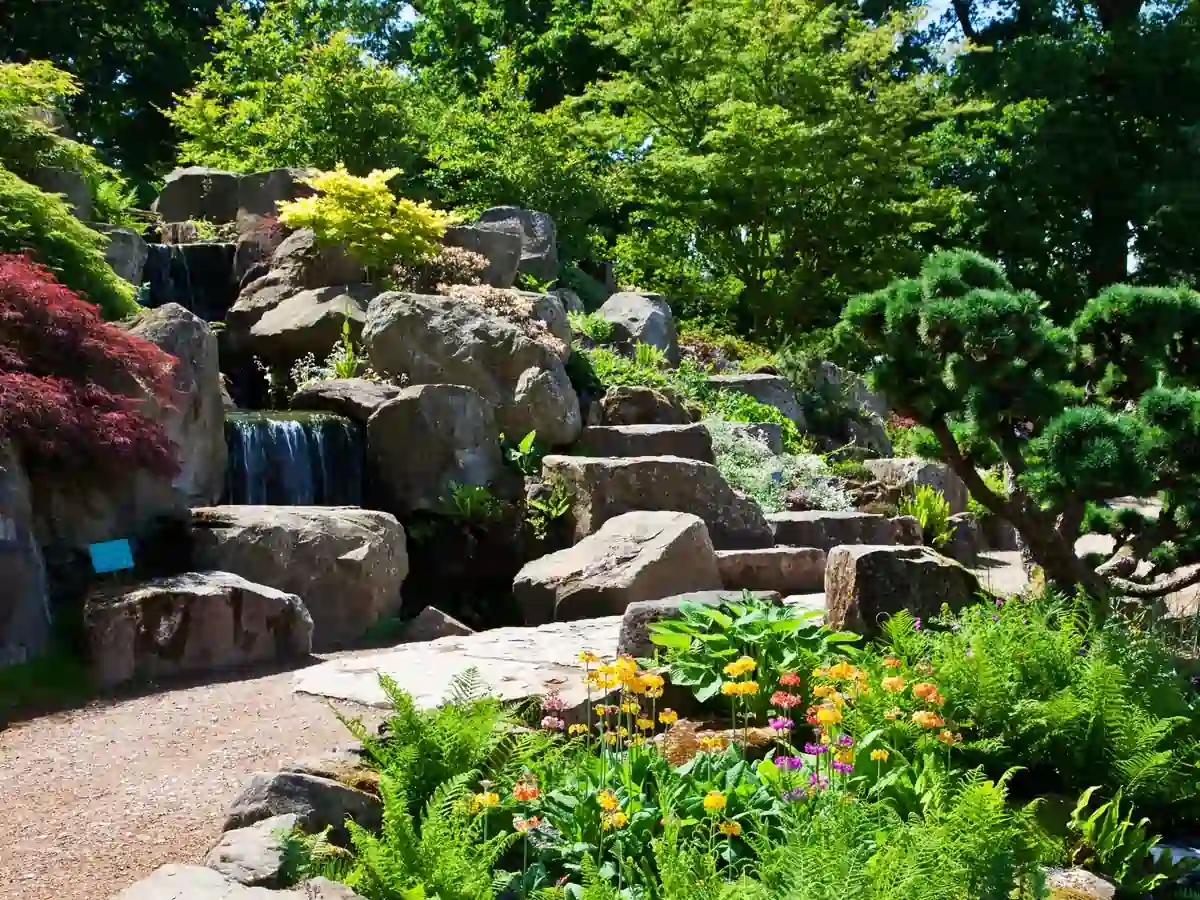
Creating visually stunning outdoor spaces requires thoughtful planning and the strategic selection of plants, particularly when incorporating rockery plants suited for arid environments. The best rockery plants for dry soil not only enhance aesthetic appeal but also promote ecological sustainability. Designers should consider varying heights, textures, and colors to create dynamic layers, ensuring that each plant complements its neighbors.
Grouping plants in clusters can provide visual interest while mimicking natural habitats. Incorporating pathways and seating areas amidst these arrangements fosters a sense of community and invites interaction. Utilizing native species can further enhance resilience and reduce maintenance needs. Ultimately, a well-designed outdoor space featuring the best rockery plants for dry soil cultivates a welcoming atmosphere, encouraging connection with nature and with one another.
Top Characteristics of the Best Rockery Plants for Dry Soil
Selecting the best rockery plants for dry soil involves understanding key characteristics that guarantee their health and aesthetic appeal in arid landscapes. Resilience is paramount; these plants must thrive with minimal water, often exhibiting drought tolerance and deep root systems. Additionally, many possess unique foliage or striking blooms that add vibrant color and texture, enhancing outdoor living spaces.
Adaptability to poor soil conditions is essential, as is the ability to withstand temperature fluctuations. Moreover, low maintenance requirements confirm that these plants remain inviting without demanding excessive care. By choosing rockery plants that embody these traits, gardeners can cultivate stunning, sustainable environments that foster a sense of belonging and connection to nature.

Essential Maintenance Strategies for Rockery Plants in Dry Soil
Maintaining rockery plants in dry soil requires a strategic approach to secure their longevity and health. Employing effective maintenance strategies guarantees these resilient plants thrive in outdoor living spaces. Key practices include:
- Mulching: Apply a layer of organic mulch to retain moisture and suppress weeds.
- Deep Watering: Water infrequently but deeply to encourage deep root growth, particularly during dry spells.
- Soil Testing: Regularly test soil pH and nutrient levels to maintain ideal conditions for growth.
- Pruning: Remove dead or diseased foliage to promote air circulation and prevent pest infestations.
Implementing these essential strategies not only enhances the beauty of rockery plants but also fosters a sense of community among gardening enthusiasts dedicated to cultivating thriving outdoor environments.
Choosing the Best Rockery Plants for Dry Soil
When considering the best rockery plants for dry soil, a variety of resilient species can transform arid landscapes into vibrant outdoor living spaces. Key selections include drought-tolerant options such as Sedum, Sempervivum, and Echinacea, which thrive in challenging conditions while offering visual appeal. These plants not only require minimal maintenance but also contribute to water conservation efforts, making them ideal for eco-conscious gardeners.
Additionally, incorporating native species enhances local biodiversity and fosters a sense of community belonging among gardening enthusiasts. By carefully choosing the best rockery plants for dry soil, individuals can create stunning displays that invite both admiration and connection, ultimately enriching their outdoor environments and promoting sustainable practices.
Frequently Asked Questions
What Are the Benefits of Rockery Plants for Wildlife?
Rockery plants for wildlife provide essential habitats, attract pollinators, and support biodiversity. Their varied structures offer shelter and food sources, promoting ecological balance, while enhancing the aesthetic appeal of outdoor living spaces for community enjoyment.
Can Rockery Plants Thrive in Shaded Areas?
Rockery plants generally prefer sunlight; however, some varieties can adapt to shaded areas, thriving with reduced light. Selecting appropriate species guarantees a vibrant, resilient landscape, fostering a sense of belonging for gardening enthusiasts committed to diverse outdoor spaces.
How Do Rockery Plants Affect Soil Erosion?
Rockery plants considerably reduce soil erosion by stabilizing the ground with their root systems. Their dense foliage also minimizes runoff, promoting moisture retention and enhancing the overall health of the surrounding ecosystem, fostering a vibrant outdoor space.
Are There Any Edible Rockery Plants Suitable for Dry Soil?
Certain edible rockery plants, such as lavender and thyme, thrive in dry soil. These plants not only enhance the landscape but also provide culinary benefits, making them suitable choices for those seeking functional beauty in their gardens.
How Do I Integrate Rockery Plants With Hardscaping Features?
Integrating rockery plants with hardscaping features involves selecting plants that complement stone elements, ensuring proper drainage, and arranging plant heights strategically. This combination enhances visual appeal and fosters a harmonious outdoor environment, inviting communal enjoyment.
Conclusion
Incorporating the best rockery plants for dry soil, such as Sedum and Echinacea, transforms outdoor living spaces into vibrant, sustainable environments. Their resilience to arid conditions and minimal maintenance requirements not only enhance aesthetic appeal but also promote ecological health.
By selecting these drought-tolerant species, homeowners can create visually striking landscapes that thrive with limited resources, ultimately fostering a deeper connection to nature while addressing the challenges posed by dry soil.
You May Also Like To Read: